The most expensive words in real estate development might be "we assumed we could build..." Zoning due diligence isn't optional—it's the foundation that determines whether your project is viable, marginally profitable, or impossible.
Why Zoning Due Diligence Fails
Most zoning due diligence failures share common causes:
- **Surface-level analysis**: Checking only the base zoning designation without examining overlays, specific plans, or conditional restrictions
- **Outdated information**: Using zoning information from listing materials rather than current municipal records
- **Assuming consistency**: Expecting adjacent parcels or similar-looking areas to have the same entitlements
- **Ignoring political context**: Missing pending zoning changes, moratoriums, or community opposition
The Complete Checklist
Phase 1: Basic Zoning Verification
- [ ] **Confirm base zoning designation** from official municipal GIS/zoning maps (not listing materials)
- [ ] **Verify parcel boundaries** match your understanding and listing information
- [ ] **Document allowed uses by-right** vs. conditional use permit required
- [ ] **Note any nonconforming status** of existing structures or uses
- [ ] **Check zoning history** for variances, conditions, or deed restrictions
Phase 2: Development Standards Analysis
- [ ] **Calculate maximum density** (units/acre or FAR)
- [ ] **Map setback requirements** (front, side, rear, corner)
- [ ] **Document height limits** including how height is measured
- [ ] **Determine lot coverage maximums** including all impervious surfaces
- [ ] **Verify parking requirements** for intended use
- [ ] **Check open space requirements** if applicable
Phase 3: Overlay and Special District Review
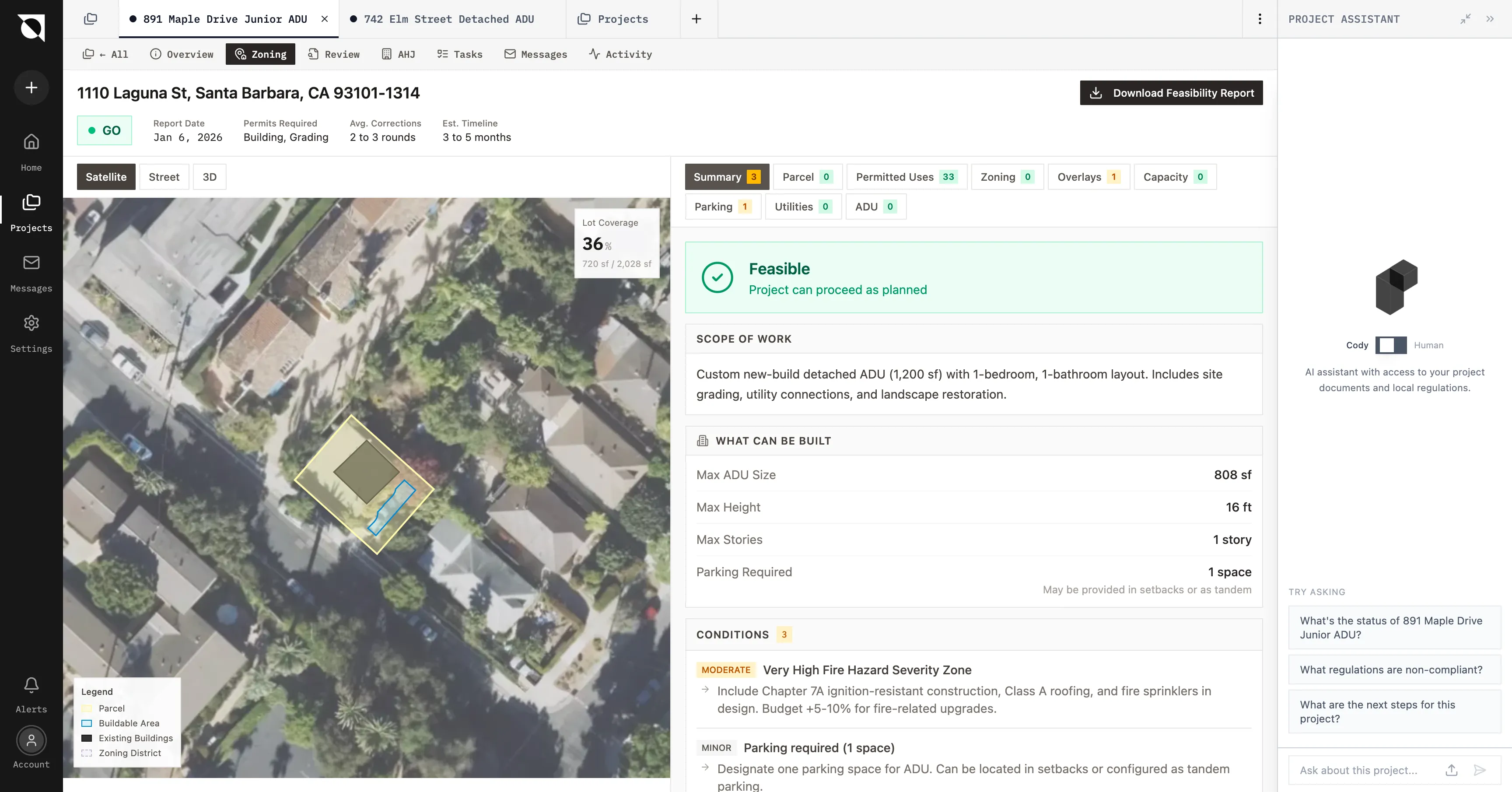
- [ ] **Identify all applicable overlays**: historic, coastal, hillside, flood, fire hazard, airport influence, specific plan areas
- [ ] **Document additional requirements** from each overlay
- [ ] **Note approval process differences** (some overlays require additional review bodies)
- [ ] **Calculate cumulative impact** of layered restrictions
Phase 4: Utility and Infrastructure
- [ ] **Verify water service** availability and capacity
- [ ] **Confirm sewer service** or septic feasibility
- [ ] **Check electrical capacity** for intended use
- [ ] **Assess road access** and any required dedications
- [ ] **Identify impact fee obligations**
Phase 5: Entitlement Path Analysis
- [ ] **Map approval process**: ministerial vs. discretionary
- [ ] **Identify required permits and approvals** beyond building permit
- [ ] **Research CEQA/environmental review** requirements
- [ ] **Estimate timeline** for each approval
- [ ] **Calculate fee schedule** for all required approvals
Phase 6: Political and Market Context
- [ ] **Research pending zoning changes** that could affect property
- [ ] **Review general plan** and any scheduled updates
- [ ] **Check for moratoriums** on development type or area
- [ ] **Assess community sentiment** for proposed use
- [ ] **Identify council member or supervisor** for project area
Red Flags That Require Deeper Analysis
Certain findings should trigger more detailed investigation:
Multiple Overlays: Each overlay adds complexity. Two or more overlays means significantly longer approval timelines and potentially conflicting requirements.
Conditional Use Required: CUP processes are discretionary, meaning approval isn't guaranteed. Factor in denial risk and appeal costs.
Nonconforming Status: Existing nonconforming structures or uses may have limitations on expansion, modification, or reconstruction.
Recent Nearby Denials: Research similar projects in the area that were denied. Understand why.
Pending General Plan Updates: Zoning could change before your project is approved.
Quantifying the Analysis
Good zoning due diligence produces numbers, not just narratives:
- Maximum buildable square footage
- Maximum unit count
- Required parking spaces
- Estimated impact fees
- Approval timeline (best/worst case)
- Probability of by-right vs. discretionary approval
These numbers feed directly into your pro forma and investment decision.
When to Walk Away
Some zoning situations are dealbreakers:
- Permitted use doesn't match your intended development
- Variance required without strong precedent for approval
- Multiple discretionary approvals required
- Overlay restrictions make project economically infeasible
- Community opposition has blocked similar projects
The time to discover these issues is during due diligence, not after you've closed.
Tools and Resources
Modern zoning due diligence combines traditional research with technology:
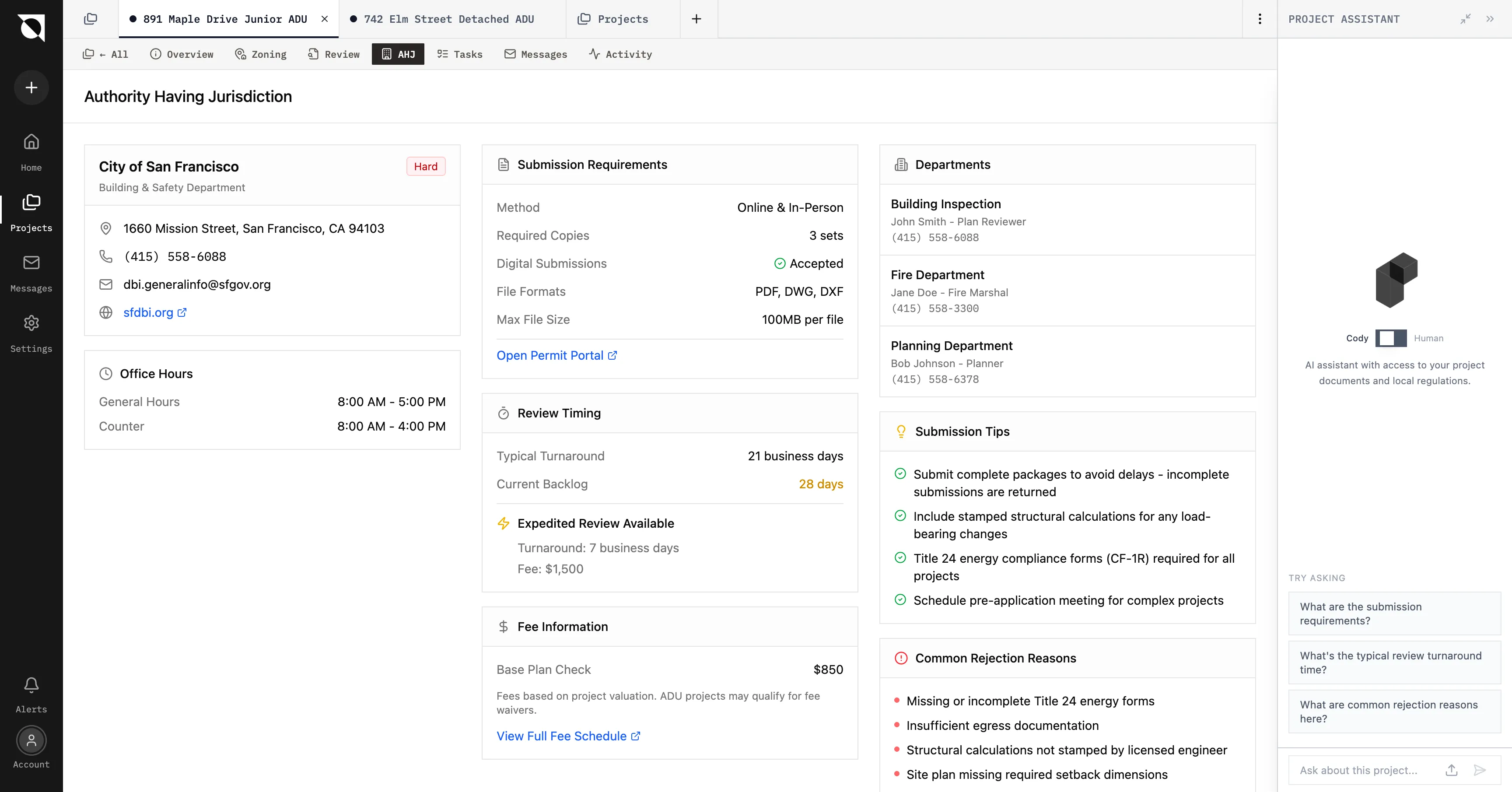
- Municipal GIS portals for official zoning maps
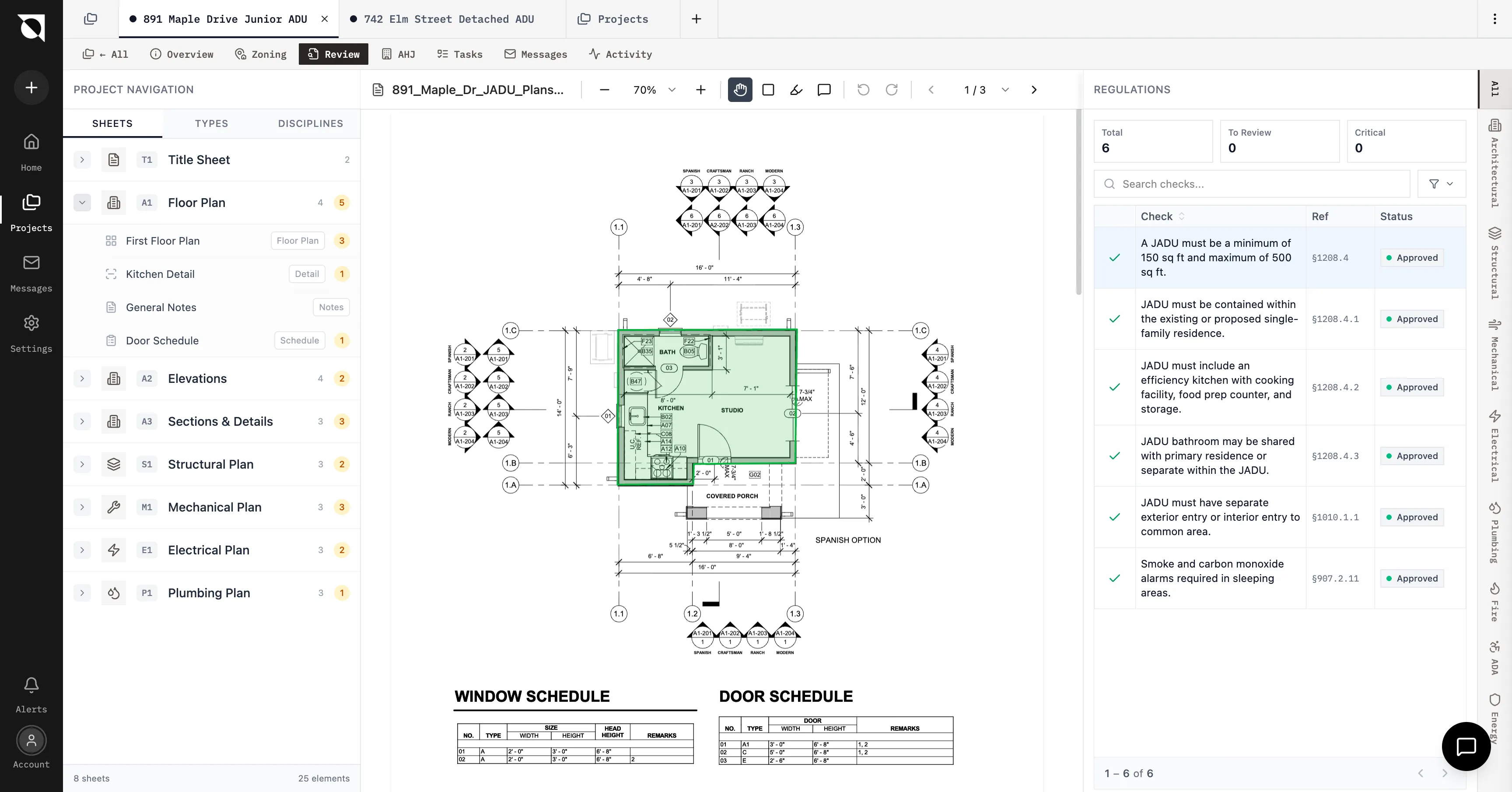
- Automated analysis tools like Rescope for instant setback and density calculations
- Permit history databases to research similar approvals
- Council/commission meeting archives for political context
The best outcomes come from combining automated analysis with human expertise—using technology to gather and analyze data quickly, then applying experience to interpret findings and identify risks.